Gramophone record (Swan Song)
The gramophone record, titled "Swan Song," is the pivotal object through which the unknown host U.N. Owen first reveals his presence and his purpose on Indian Island. It is not merely a piece of music but a pre-recorded indictment, a disembodied voice that accuses each of the ten guests of a specific murder or death for which they escaped legal punishment. The record transforms the gathering from a social occasion into a courtroom, and its playback marks the moment when the carefully constructed facade of normalcy shatters, initiating the sequence of deaths that follows the pattern of the nursery rhyme "Ten Little Indian Boys."
Appearance and Setup
The record is an old-fashioned gramophone disc, discovered in a drawer by the butler Rogers, who was instructed by Mr. Owen to play it after dinner. Rogers, believing it to be a piece of music, placed it on a gramophone in an adjoining room, with the trumpet mouth pressed against the wall through small, unobtrusively bored holes. The record itself bore the title "Swan Song," a bitterly ironic name that foreshadows the deaths to come. The gramophone was set up in a room adjacent to the drawing-room, with the trumpet directed at the wall, allowing the voice to fill the main room as if from nowhere, creating a startling and eerie effect.
The Accusation
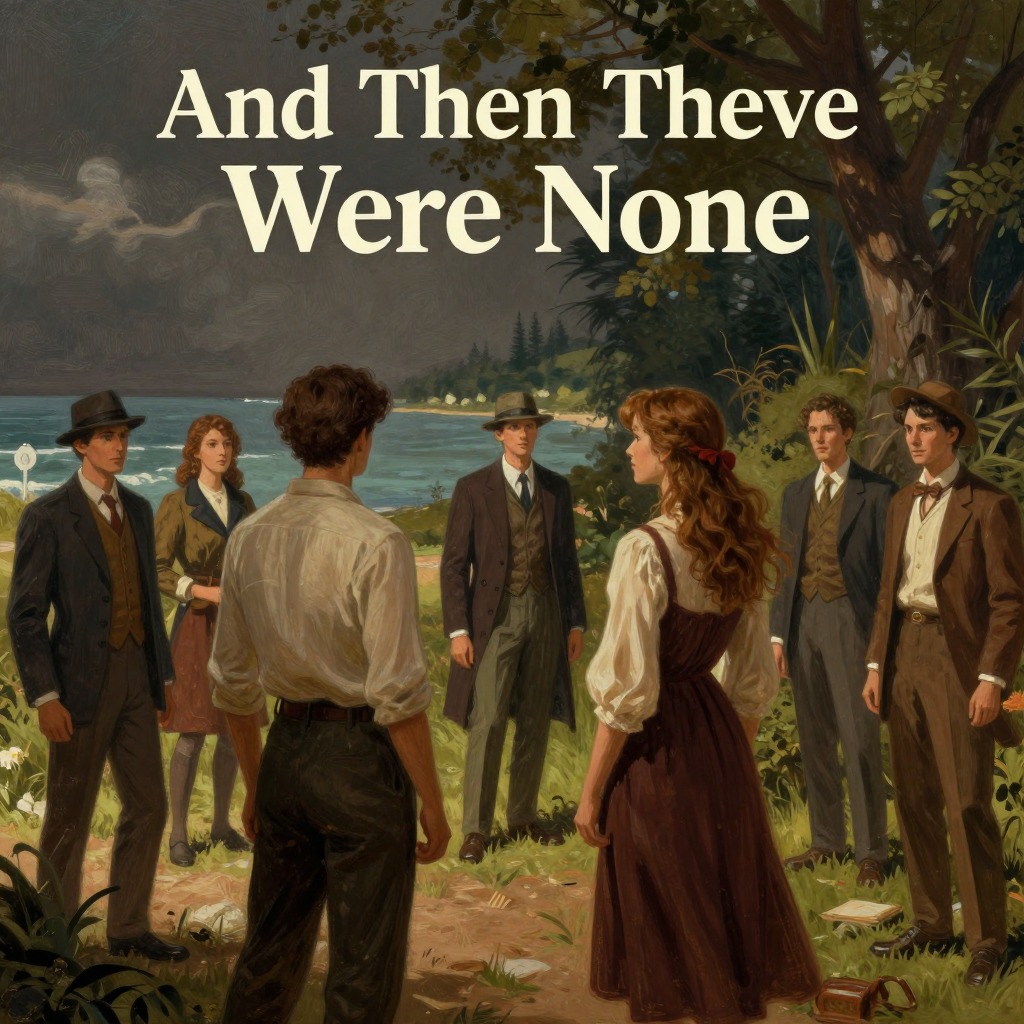
When the record is played, a high, clear voice cuts through the comfortable silence after dinner, addressing each guest by name and charging them with specific crimes: Edward George Armstrong with causing the death of Louisa Mary Clees; Emily Caroline Brent with the death of Beatrice Taylor; William Henry Blore with the death of James Stephen Landor; Vera Elizabeth Claythorne with the death of Cyril Ogilvie Hamilton; Philip Lombard with the deaths of twenty-one men of an East African tribe; John Gordon Macarthur with sending his wife's lover, Arthur Richmond, to his death; Anthony James Marston with the murder of John and Lucy Combes; Thomas and Ethel Rogers with the death of Jennifer Brady; and Lawrence John Wargrave with the murder of Edward Seton. The voice concludes with the formal demand, "Prisoners at the bar, have you anything to say in your defence?" The accusation is immediate and devastating: Rogers drops the coffee tray, and Mrs. Rogers, who was to start the gramophone, faints in the hallway.
Discovery and Aftermath
After the initial shock, Philip Lombard quickly traces the source of the voice to the adjoining room, where he finds the gramophone with its trumpet still against the wall. The record is still playing, and he turns it off. The guests realize that the record was a premeditated trap, set by their unknown host. The discovery of the gramophone and the record confirms that the entire gathering is a carefully orchestrated scheme, and that the host, U.N. Owen, is a dangerous madman who has lured them to the island to exact his own form of justice. The record's accusations, though initially dismissed as lies, are later shown to be true, and the record itself becomes a symbol of the inescapable judgment that hangs over the island.
Thematic Significance
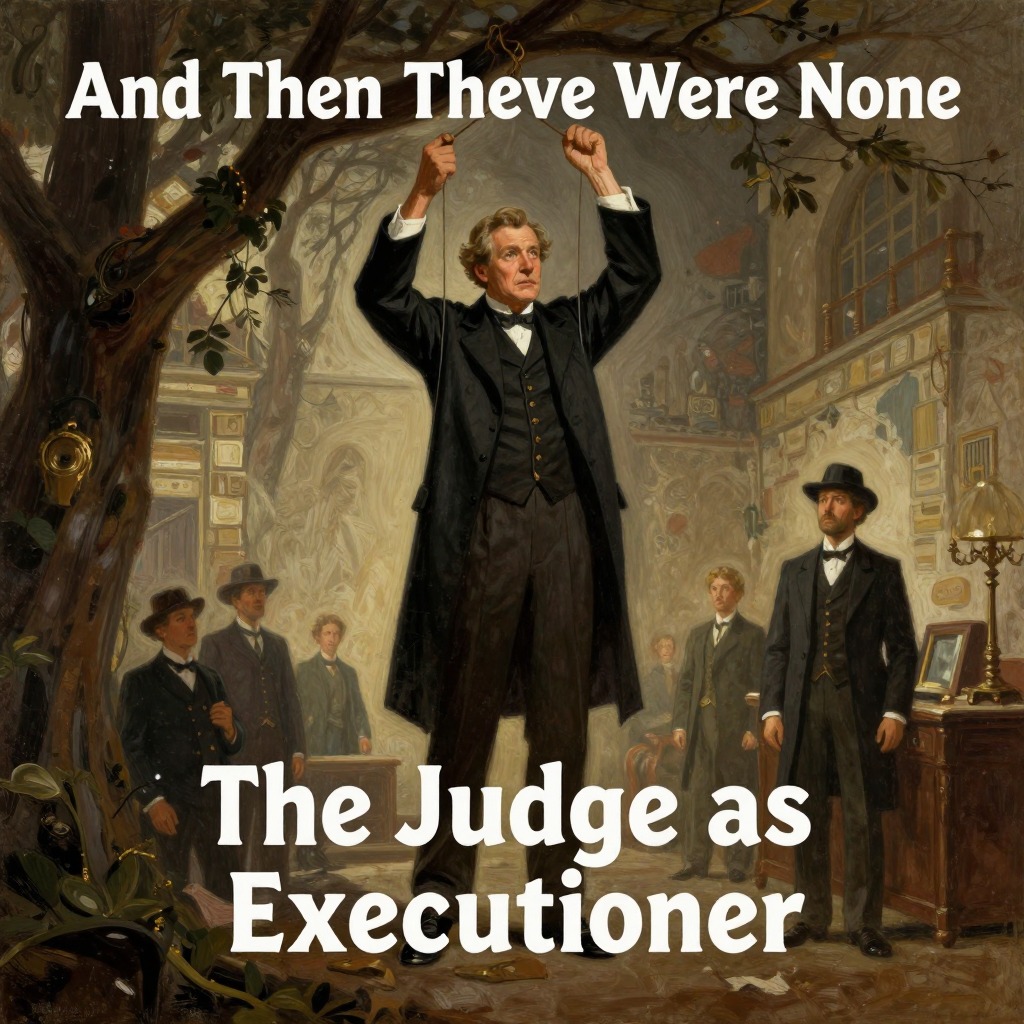
The gramophone record embodies the novel's central theme of justice beyond the law. It is a mechanical, impersonal voice that delivers a verdict without trial, a perfect instrument for a judge who has decided to act as executioner. The record's title, "Swan Song," is a final performance, a last statement before death. It also serves as a narrative device, providing the reader with the specific charges against each character, which are later confirmed or elaborated upon. The record is a key piece of evidence in the final police investigation, but it offers no clue to the identity of the murderer, as it was ordered by U.N. Owen through Isaac Morris, who is already dead. The record, like the island itself, is a closed system, a perfect trap from which there is no escape.